Florida Seller Closing Costs: What You Pay and Why

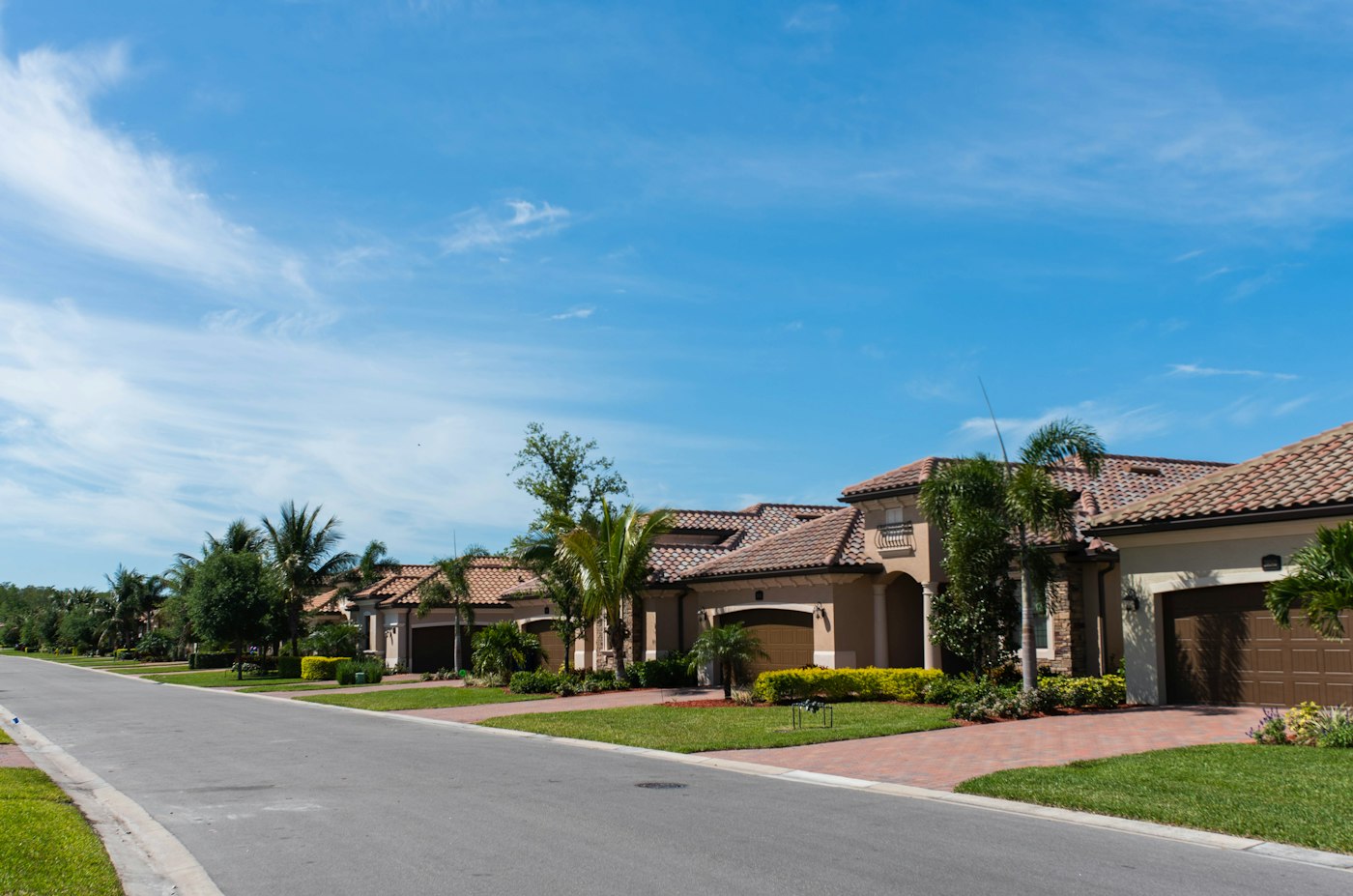
Featured photo: Hector Falcon / Unsplash
Seller closing costs in Florida usually include the real estate commission, documentary stamp tax on the deed, your share of property taxes for the year, title and closing fees, and your mortgage payoff. The deed tax alone is $0.70 per $100 of the price in most counties, and $0.60 per $100 in Miami-Dade, plus a surtax on some property types. The exact mix depends on your contract, your county, and your property.
Most sellers focus on the sale price. The number that matters more is your net: what lands in your account after closing. This guide walks through each line on a typical Florida seller statement, so you can estimate your net with fewer surprises.
Prefer to read in Spanish? Lee esta guía en español.
What Do Sellers Pay at Closing in Florida?
Every sale is different, but most Florida seller statements include some version of these items:
- Brokerage commission. Negotiated between you and your broker. It is not set by law.
- Documentary stamp tax on the deed. A state tax on the transfer, based on the price.
- Property tax proration. Your share of this year's taxes, credited to the buyer.
- Title and settlement charges. Owner's title policy (depending on county custom and your contract), title search, and the closing agent's fees.
- Mortgage payoff. Your loan balance plus interest through the payoff date.
- HOA or condo items. Estoppel certificate fees and any unpaid dues or special assessments.
- Negotiated credits or repairs. Anything you agree to after inspections.
Some of these are true costs. Others, like the mortgage payoff, are simply money that was already owed. Both reduce your net, so it helps to see them together.
Documentary Stamp Tax on the Deed
Florida charges a documentary stamp tax when a deed transfers real estate. In most Florida sales, the purchase contract assigns this tax to the seller, although it can be negotiated.
According to the Florida Department of Revenue:
- The statewide rate on deeds is $0.70 per $100 (or portion of $100) of the total consideration.
- In Miami-Dade County, the rate is $0.60 per $100.
- Miami-Dade also has a surtax of $0.45 per $100. The surtax is not due on a deed that transfers only a single-family dwelling. So a condo or other property type in Miami-Dade usually pays both.
Example: Deed Tax on an $800,000 Sale
| Where and what | Rate per $100 | Deed tax |
|---|---|---|
| Palm Beach, Broward, or any county outside Miami-Dade | $0.70 | $5,600 |
| Miami-Dade, single-family home | $0.60 | $4,800 |
| Miami-Dade, condo or other property (with surtax) | $1.05 | $8,400 |
This is the math only. Your closing agent calculates the final figure on your settlement statement.
Property Taxes: How the Proration Works
Florida property taxes cover the calendar year, January 1 through December 31. The bill arrives in November. In Palm Beach County, the Tax Collector offers a 4% discount for paying in November, stepping down each month, with taxes due by March 31 of the following year.
Because the bill comes late in the year, a seller who closes in, say, June has usually not paid that year's taxes yet. At closing, you credit the buyer for the days you owned the home. The buyer then pays the full bill in November.
- The proration is usually based on the most recent tax bill. Your contract spells out the details.
- If you close after paying the bill, the math runs the other way and the buyer credits you for the rest of the year.
- The buyer's future taxes may be different from yours. In Florida, a sale generally resets the assessed value to market value as of the next January 1. That matters to the buyer, not to your proration, but it often comes up in negotiations. Our guide to Florida's homestead exemption changes explains how homestead affects taxes.
Title Insurance and Closing Agent Fees
An owner's title policy protects the buyer against covered title problems. Who pays for it in Florida is a matter of local custom and your contract, not state law. In Miami-Dade, the buyer commonly pays. In other counties the custom varies, so check your contract and ask your title agent before you sign.
Florida sets title insurance premium rates by rule, so the premium for the same coverage does not change from one company to the next. What can vary are the other charges:
- Title search and exam fees
- Settlement or closing fee
- Municipal lien and open permit searches
- Recording fees for releases of your mortgage
- Courier, wire, and document fees
Ask for a written estimate early. It is a simple way to avoid a surprise at the closing table.
HOA and Condo Costs for Sellers
If your home is in an HOA or condominium, the closing agent will order an estoppel certificate. This document states what you owe the association as of a date: regular dues, special assessments, fines, and any other balances.
- Florida law regulates estoppel certificates and limits what associations may charge for them. See Section 720.30851, Florida Statutes for HOAs and Section 718.116 for condos.
- Unpaid dues and assessments are typically paid from your proceeds at closing.
- If a special assessment has been approved but not fully paid, the contract decides who covers the rest. Read that section closely.
If you are selling a condo, start gathering association documents early. Buyers and lenders will ask for them, and delays here can slow your closing.
Mortgage Payoff and Other Liens
Your lender will send a payoff letter with the exact amount due on a specific date. It includes your principal balance and interest through that date, plus any fees. If you have a home equity line, it must also be paid and closed.
The title search will also look for other liens: unpaid contractor claims, code enforcement liens, or judgments. Clearing these before you list saves time later.
Credits, Repairs, and Other Negotiated Items
After inspections, buyers may ask for repairs or a credit. A credit reduces your net dollar for dollar. Sometimes it is simpler than managing repairs before closing. Older homes may need a 4-point or wind mitigation inspection for the buyer's insurance, which can surface items to negotiate. Our guide to 4-point and wind mitigation inspections explains what those reports cover.
Other items that can show up on your statement:
- A rent-back arrangement if you stay in the home after closing
- Prorated rent and deposits if the property is leased
- Home warranty for the buyer, if you agree to provide one
- Your own attorney's fee, if you hire one

Selling as a Foreign Owner: FIRPTA Withholding
If you are a foreign person for U.S. tax purposes, the buyer generally must withhold part of the price under FIRPTA and send it to the IRS. This is withholding, not the final tax. Based on the IRS FIRPTA guidance:
- The general rate is 15% of the amount realized, usually the sale price.
- If the buyer is an individual who will use the home as a residence and the price is $1 million or less, the rate is reduced to 10%.
- If the price is $300,000 or less and the buyer meets the residence rules, no withholding is required.
Some sellers apply to the IRS for a withholding certificate to reduce the amount. Timing matters here. If FIRPTA may apply to you, talk with a tax professional before you list.
How to Estimate Your Net Proceeds
A seller net sheet puts all of this on one page. Here is a simple way to build one:
- Start with the expected sale price.
- Subtract the agreed commission.
- Subtract deed doc stamps using your county's rate.
- Subtract your property tax proration through the closing date.
- Subtract title, settlement, and lien search fees from a written estimate.
- Subtract your mortgage payoff and any other liens.
- Subtract HOA or condo balances and negotiated credits.
What is left is your estimated net. I prepare this for sellers before we set a price, so the plan starts with real numbers. You can also start with a home value estimate or read more about how I help sellers.
This guide is general education. It is not legal or tax advice. For your specific situation, talk with a Florida real estate attorney, your title company, or a tax professional.
Homes for Sale in Boca Raton
Thinking about selling and buying your next home in Palm Beach County? Explore Boca Raton communities and see active MLS listings updated daily.
Explore Boca Raton Communities Search Homes in Boca Raton
Selling elsewhere in the region? See the Palm Beach, West Palm Beach, Delray Beach, and Miami community guides.
Frequently Asked Questions
Who pays doc stamps on the deed in Florida?
In most Florida sales, the seller pays the documentary stamp tax on the deed because the purchase contract assigns it to the seller. It is negotiable, so check your contract.
How much is the deed doc stamp tax in Florida?
The rate is $0.70 per $100 of the price in every county except Miami-Dade. Miami-Dade charges $0.60 per $100, plus a $0.45 per $100 surtax unless the deed transfers only a single-family home.
Do sellers pay property taxes at closing in Florida?
Usually yes, through a proration. Florida taxes are billed in November for the whole calendar year, so the seller typically credits the buyer for the part of the year the seller owned the home.
Does the seller pay for title insurance in Florida?
It depends on county custom and the contract. In Miami-Dade, the buyer commonly pays for the owner's title policy. In other counties, practice varies, so confirm with your title agent before signing.
What is an estoppel certificate?
It is a document from your HOA or condo association that states what you owe as of a certain date. Florida law regulates these certificates and the fees associations may charge.
How much is FIRPTA withholding when a foreign owner sells?
Generally 15% of the sale price. It drops to 10% when an individual buyer will use the home as a residence and the price is $1 million or less, and to zero at $300,000 or less if the residence rules are met.
Questions About Selling?
If you want a clear estimate of your net before you list, or you would like to walk through your home together, send me a message on WhatsApp. I am happy to help.
Enrique Urdaneta, Engel & Völkers Palm Beach
Sources
Recent Posts