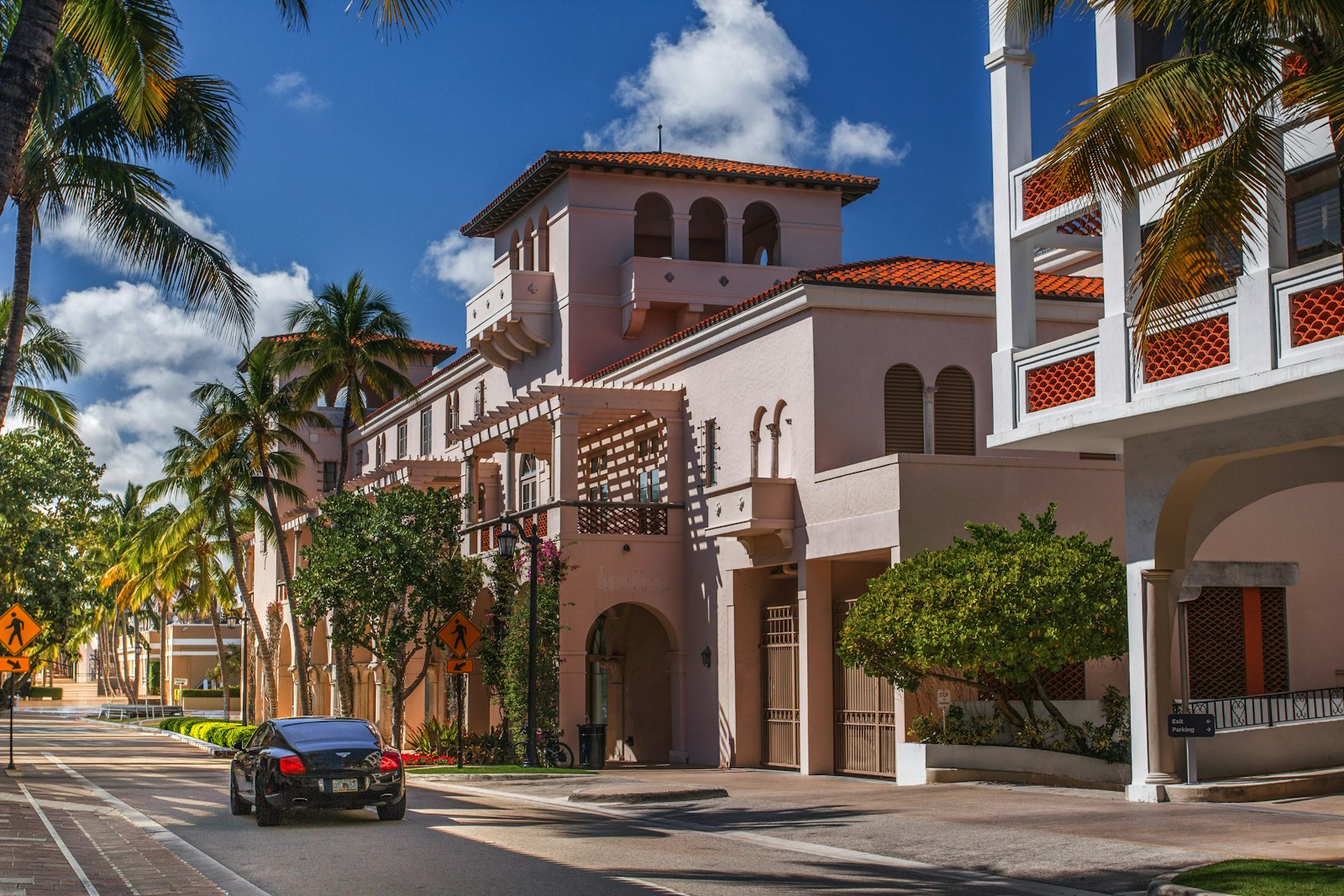
Flood Insurance in Florida: A Guide for Home Buyers
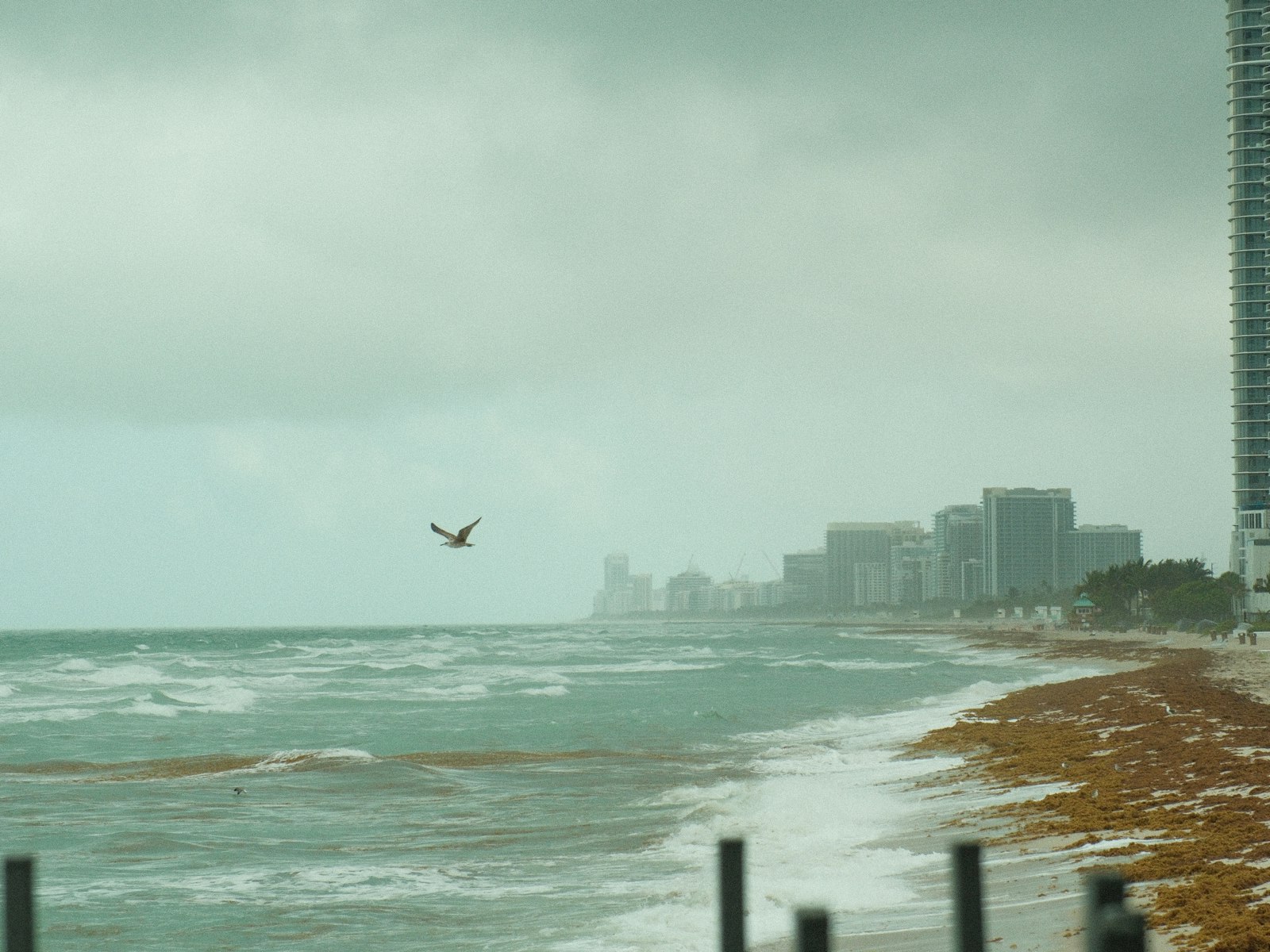
Featured photo: Tetiana Sapon / Unsplash
Do you need flood insurance to buy a home in Florida? If the home is in a FEMA high-risk flood zone and you use a federally backed mortgage, your lender will require it. If you plan to insure the home through Citizens, a flood policy is now required in most cases, even outside high-risk zones. And since October 1, 2025, Florida sellers must tell you about past flood claims, flood assistance, and known flood damage before you sign.
Flood insurance is one of the questions I get most from buyers, especially people moving here from other states or other countries. It is also one of the easiest things to leave until the last week, when it is too late to change your mind. This guide walks through what to check, in what order, so the numbers are clear before you commit.
Leer en español: Seguro de inundación en Florida: guía para compradores
Why Flood Insurance Is a Separate Conversation in Florida
A standard homeowners policy does not cover flood. Flood coverage is a separate policy, with its own premium, its own deductible, and its own rules. In Florida, that matters for three reasons:
- Your lender may require it. This depends on the flood zone and the type of loan.
- Your wind and homeowners insurer may require it. Citizens Property Insurance now requires flood coverage on most of its home policies.
- Flooding is not limited to high-risk zones. According to FEMA, almost one-third of National Flood Insurance Program (NFIP) claims from 2014 to 2024 came from outside high-risk areas.
So even when flood insurance is optional on paper, it belongs in your budget and your due diligence.
Step 1: Find the Flood Zone Before You Make an Offer
FEMA maps flood risk by zone. The high-risk areas are called Special Flood Hazard Areas, or SFHAs. These are the zones that begin with the letters A or V, such as AE, AH, AO, VE, and V. Zones outside the SFHA, like X, are considered moderate or lower risk.
You can look up any address on the FEMA Flood Map Service Center. I recommend doing this before you write an offer, not after. Two homes on the same street can sit in different zones, and that can change your monthly cost.
What the zone tells you
| Situation | Is flood insurance required? |
|---|---|
| SFHA (A or V zone) with a federally backed mortgage | Yes. Lenders must require it under the federal mandatory purchase rule. |
| Outside the SFHA with a mortgage | Not by federal rule, but your lender can still require it. |
| Home insured by Citizens with wind coverage, in an SFHA | Yes. |
| Home insured by Citizens with wind coverage, outside the SFHA | Yes if dwelling coverage is $400,000 or more in 2026. All such policies by January 1, 2027. |
| Cash purchase, private insurer, outside the SFHA | Usually optional. Still worth pricing. |
Always confirm the exact requirement with your lender and your insurance agent. Rules can apply differently to your specific policy and loan.
Step 2: Understand the Citizens Flood Requirement
Citizens Property Insurance Corporation is Florida's state-created insurer. Many homeowners use it when private wind coverage is hard to find. Under Florida law, Citizens is phasing in a flood insurance requirement for its personal residential policies that include wind coverage.
According to Citizens, here is the schedule for new and renewing policies on homes outside a high-risk flood zone:
- January 1, 2024: dwelling coverage of $600,000 or more
- January 1, 2025: $500,000 or more
- January 1, 2026: $400,000 or more
- January 1, 2027: all policies, regardless of value
Homes inside an SFHA with a Citizens wind policy must already carry flood insurance. Citizens also says the flood dwelling limit must be at least equal to the Citizens dwelling coverage. If that amount is not available through the NFIP, which caps residential building coverage at $250,000 in its regular program, Citizens accepts the maximum you are eligible for.
A few exceptions apply. Citizens lists condominium unit-owner policies, tenant contents policies, and policies that exclude wind or hail as not required to carry flood coverage.
Step 3: Read the Seller's Flood Disclosure
Florida created a flood disclosure requirement for residential sales in 2024 (section 689.302, Florida Statutes). The Legislature expanded it in 2025 through SB 948, effective October 1, 2025. According to the Florida Senate bill summary and Florida Realtors, the seller must now disclose:
- Any flood insurance claims filed for damage to the property
- Any assistance received for flood damage, from any source, not only federal programs like FEMA
- Whether the seller knows of flooding that damaged the property while they owned it
The disclosure is due at or before the time the contract is signed. Read it carefully. A past claim does not mean you should walk away. It means you should ask good questions: What happened? What was repaired? Who did the work? Were permits pulled?
The same 2025 law added a similar disclosure for landlords on leases of one year or longer. If you buy a home to rent out, keep that in mind.
Step 4: Get a Real Quote During Your Inspection Period
Do not rely on a guess or on what the seller pays. Premiums depend on the specific home and the policy you choose. Ask your insurance agent for a written flood quote while you are still inside your inspection period, at the same time you price wind and homeowners coverage.
Documents that help your agent quote accurately:
- Elevation certificate, if the seller has one. It shows how high the home sits relative to expected flood levels.
- Wind mitigation and 4-point reports, which you will likely need for the homeowners policy anyway. I covered these in my 4-point and wind mitigation guide.
- The seller's flood disclosure and any repair records.
NFIP or private flood?
You can buy flood insurance through the NFIP, which is run by FEMA, or from a private insurer. Ask your agent to compare both. Look at the building limit, the contents limit, the deductibles, and what is excluded. FEMA notes that building and contents are separate coverages with separate deductibles.
Can you take over the seller's policy?
Often, yes. FEMA says a seller can transfer an NFIP policy to the new owner, with or without a mortgage. Ask early. In some cases an existing policy may be priced better than a new one, so it is worth comparing.
Step 5: Plan Around the 30-Day Waiting Period
NFIP policies typically have a 30-day waiting period before coverage starts. There is an important exception. When you buy flood insurance in connection with making a mortgage loan, FEMA says there is no waiting period. That is why a policy bound for your closing can start on closing day.
If you pay cash and decide to add flood coverage after closing, the waiting period may apply. During hurricane season, that gap matters. Decide before closing.
Condos: Who Covers What
If you buy a condo, the association usually insures the building under its master policy. Your own unit-owner policy covers your interior and belongings. Flood works the same way: ask the association whether the building carries flood insurance and how much. Then decide with your agent whether you need your own flood coverage for your unit and contents. If you are financing, your lender will have its own requirements.
A Simple Buyer Checklist
- Look up the flood zone on the FEMA map before your offer.
- Ask the listing agent for the seller's flood disclosure and any elevation certificate.
- Ask whether the seller has an NFIP policy that can transfer.
- Get written quotes for flood, wind, and homeowners during your inspection period.
- Confirm your lender's flood requirement in writing.
- If you will use Citizens, confirm how the flood requirement applies to your dwelling amount.
- Bind the flood policy before closing so coverage starts on day one.
None of this is meant to scare anyone away from water. Many of the best homes in our area sit near it. The goal is simple: know the true monthly cost and the risk before you commit. If you are comparing neighborhoods, my guide to Boca Raton's coastal and Intracoastal neighborhoods is a good next read.
This article is general education, not legal or insurance advice. Talk to a licensed insurance agent and a Florida real estate attorney about your specific situation.
Homes for Sale in Boca Raton
Ready to compare real homes and their flood zones? Explore Boca Raton communities or search active listings from the MLS.
Explore Boca Raton Communities Search Homes in Boca Raton
Looking elsewhere? See the Delray Beach, Palm Beach, West Palm Beach, and Miami community guides.
Frequently Asked Questions
Is flood insurance required in Florida?
Not for every home. It is required if you have a federally backed mortgage on a home in a FEMA high-risk zone, if your lender requires it, or if you insure the home with Citizens and fall under its flood requirement.
Does Citizens require flood insurance?
Yes, for most personal residential policies with wind coverage. Homes in high-risk zones already need it. Outside those zones, the requirement applies at $400,000 of dwelling coverage or more in 2026 and to all such policies by January 1, 2027.
What must a Florida seller disclose about flooding?
Since October 1, 2025, sellers of residential property must disclose flood insurance claims, flood assistance from any source, and known flooding that damaged the home during their ownership.
How do I find a property's flood zone?
Search the address on the FEMA Flood Map Service Center at msc.fema.gov. Zones starting with A or V are high-risk Special Flood Hazard Areas.
Is there a waiting period for flood insurance?
NFIP policies typically have a 30-day waiting period. It does not apply when the policy is bought in connection with a new mortgage loan, so coverage can start at closing.
Can I take over the seller's flood insurance?
FEMA says an NFIP policy can be transferred from the seller to the buyer, with or without a mortgage. Ask early and compare it with a new quote.
Questions About Flood Insurance or a Specific Home?
If you want help checking a property's flood zone or reading a seller's disclosure, send me a message on WhatsApp. I am happy to walk through it with you or set up a tour.
Enrique Urdaneta, Engel & Völkers Palm Beach
Sources
- FEMA Flood Map Service Center
- FEMA: NFIP Questions and Answers for Real Estate Professionals (Aug. 2025)
- Citizens Property Insurance Corporation: Flood Insurance Requirement
- The Florida Senate: CS/CS/SB 948 (2025) Flood Disclosure, Bill Summary
- Florida Realtors: Florida Expands Flood Disclosures (Sept. 2025)
Recent Posts