Selling Florida Property as a Foreign Owner: A FIRPTA Guide

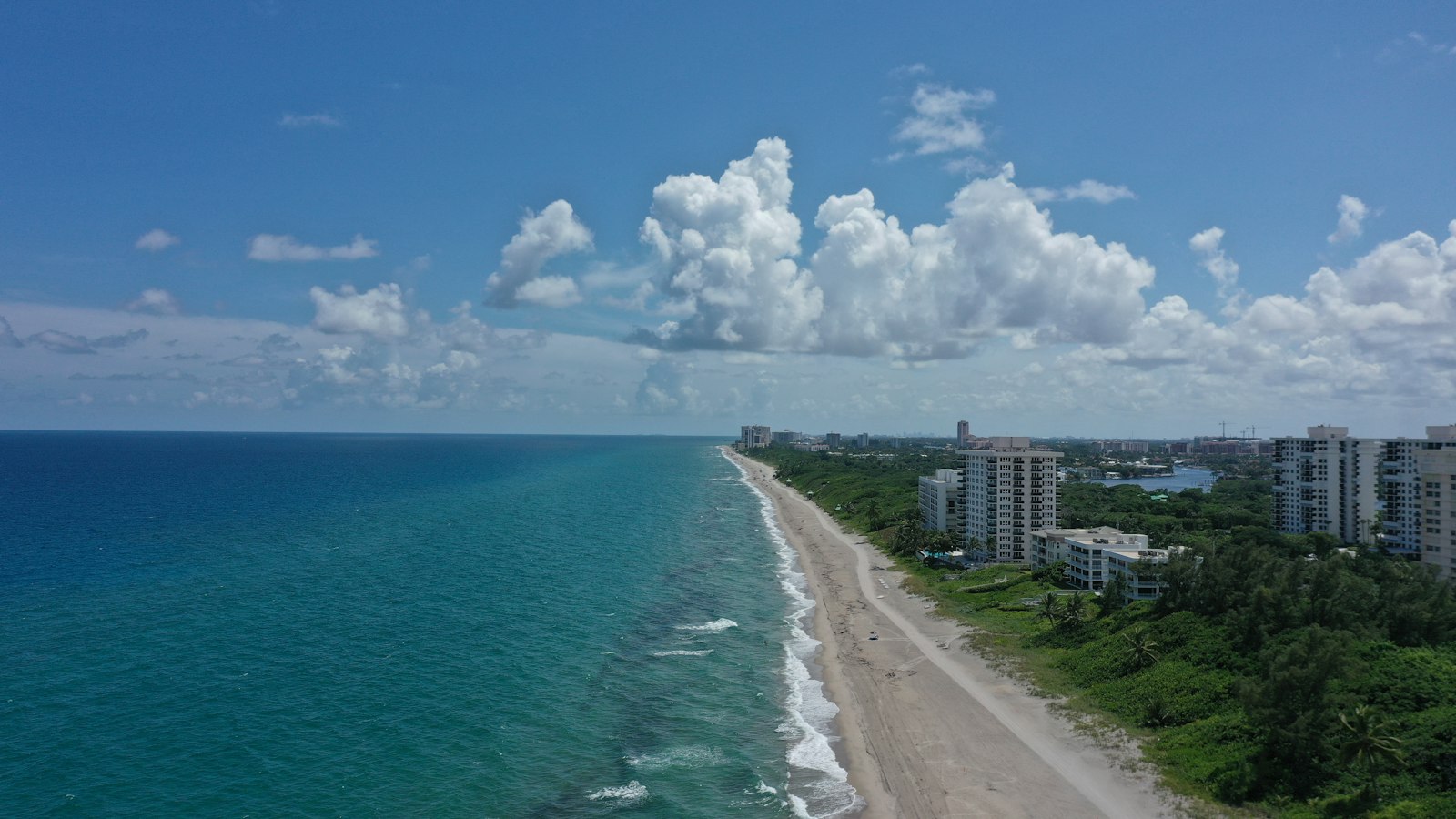
Featured photo: FilterGrade / Unsplash
What happens when a foreign owner sells property in Florida? Under FIRPTA, a federal law, the buyer generally must withhold 15% of the sale price when the seller is a foreign person and send it to the IRS. The rate can drop to 10% or 0% in certain home sales, and a seller can apply to the IRS to reduce it. The withholding is a prepayment, not the final tax, so planning ahead can make a big difference in how much cash you receive at closing.
Many of my clients bought in Boca Raton or Miami while living abroad. When it is time to sell, FIRPTA is often the first surprise. This guide explains how it works, what the numbers look like, and what to prepare before you list.
Leer en español: Vender una propiedad en Florida siendo extranjero: guía de FIRPTA
What Is FIRPTA?
FIRPTA stands for the Foreign Investment in Real Property Tax Act of 1980. It lets the United States tax foreign persons when they sell or otherwise dispose of U.S. real estate. To make sure that tax gets paid, the law requires withholding at the time of the sale.
In most cases, the buyer is the withholding agent. That matters, because if the seller is a foreign person and the buyer fails to withhold, the IRS can hold the buyer liable for the tax. This is why buyers, title companies, and closing agents take FIRPTA seriously from the start of a deal.
Who Counts as a "Foreign Person"?
For FIRPTA, a foreign person is a nonresident alien individual, a foreign corporation (unless it has elected to be treated as domestic), a foreign partnership, a foreign trust, or a foreign estate. A resident alien individual is not a foreign person under these rules.
Citizenship alone does not decide it. Tax residency does. If you are not sure how the IRS classifies you, settle that question with a tax professional before you sign a listing agreement.
How Much Is Withheld?
The withholding is based on the amount realized, which is generally the sale price. It is not based on your profit. That is the part most sellers do not expect.
| Situation | Withholding rate |
|---|---|
| General rule for a sale by a foreign person | 15% of the amount realized |
| Buyer acquires the property to use as a residence and the amount realized is over $300,000 but not more than $1,000,000 | 10% |
| Buyer is an individual who acquires the property to use as a residence and the amount realized is $300,000 or less | Generally no withholding |
| IRS issues a withholding certificate | The reduced amount the IRS approves |
The residence rules depend on the buyer, not the seller. The IRS says the buyer or a family member must have definite plans to live in the property for at least 50% of the days it is used during each of the first two 12-month periods after closing. A buyer who plans to rent the property out all year does not qualify.
A Simple Example
These numbers are hypothetical and only show the math. Say a foreign owner sells a Boca Raton home for $1,500,000. The buyer must withhold 15%, or $225,000, even if the seller's actual gain is much smaller. If the same owner sold a condo for $800,000 to a buyer who will live in it, the rate could be 10%, or $80,000.
Either way, the money goes to the IRS as a credit toward the seller's U.S. tax. If the real tax owed is lower, the seller can claim the difference back by filing a U.S. income tax return.

How to Reduce the Withholding: The Withholding Certificate
If 15% of the sale price is more than the tax you will actually owe, you can ask the IRS for a withholding certificate using Form 8288-B. If the IRS approves it, the buyer withholds the lower amount the IRS sets.
A few points to know about timing:
- The IRS says it normally acts on an application within 90 days of receiving all the information it needs.
- If the application is filed on or before closing and is still pending, the full statutory amount is still withheld at closing. But it does not have to be paid to the IRS right away. It is paid within 20 days after the IRS mails its decision.
- If you live outside the U.S., the IRS allows you to list the closing or escrow company in Box 5 of Form 8288-B, so the decision reaches them on time.
Some owners also qualify for the home sale exclusion under IRC section 121. The IRS says it can apply to nonresident aliens who meet the eligibility test, with a maximum exclusion of $250,000 on a Form 1040-NR. When that applies, the standard withholding can be far more than the tax, which is one more reason to look at a withholding certificate.
You Will Need a U.S. Taxpayer Number
FIRPTA forms require a U.S. taxpayer identification number for the buyer and the foreign seller. Many foreign sellers do not have one. The IRS is clear that you cannot apply for an ITIN just because you plan to sell. Once there is a binding sales contract, you can apply with Form W-7, and you can attach it to Form 8288-B. Without a TIN on Form 8288-A, the IRS will not send the seller a stamped copy, which makes claiming the credit harder.
What Happens at Closing and After
- At closing: The withholding is taken from the sale proceeds and held for the IRS.
- Within 20 days: The buyer generally files Form 8288 and Form 8288-A and pays the withheld amount to the IRS.
- After the IRS processes it: The IRS stamps Copy B of Form 8288-A and sends it to the seller.
- Tax season: The seller files a U.S. income tax return, attaches the stamped Form 8288-A, and gets credit for the tax withheld. Any overpayment can be refunded.
A note on state tax: Florida does not have a personal income tax, according to the Florida Department of Revenue. Federal tax, closing costs, and documentary stamp taxes on the deed still apply. I cover those in Florida Seller Closing Costs: What You Pay and Why.

A Practical Checklist Before You List
- Confirm your tax status. Are you a nonresident alien, a resident alien, or selling through an entity? The answer changes everything.
- Find your numbers. Gather your purchase closing statement and receipts for improvements. Your gain, not the sale price, drives your real tax.
- Talk to a cross-border CPA early. Ask whether a withholding certificate makes sense and how long it may take.
- Plan your cash. If the full 15% is withheld, know how that affects a mortgage payoff or your next purchase.
- Tell your agent and the title company. Disclosing your status early avoids last-minute surprises at the closing table.
- Price with the full picture. A clear net sheet helps you compare offers. My home valuation and seller page are good starting points.
I am not a tax advisor or attorney. My role is to make sure you know these questions exist before you list, so your CPA and attorney have time to do their part.
This article is general education, not legal or tax advice. FIRPTA rules have many details and exceptions. Talk to a qualified tax professional about your specific sale.
Homes for Sale in Boca Raton
Thinking about selling and buying again in the area? Explore Boca Raton communities or search active listings from the MLS.
Explore Boca Raton Communities Search Homes in Boca Raton
Own property elsewhere? See the Miami, Palm Beach, West Palm Beach, and Delray Beach community guides.
Frequently Asked Questions
What is the FIRPTA withholding rate in Florida?
FIRPTA is federal, so the same rules apply in every state. The general rate is 15% of the amount realized. It can be 10% when the buyer will use the home as a residence and the price is over $300,000 but not more than $1,000,000.
Is FIRPTA withholding the same as the tax I owe?
No. It is a prepayment. Your actual tax depends on your gain and your situation. You file a U.S. tax return to claim credit for the amount withheld, and any excess can be refunded.
Who is responsible for FIRPTA withholding?
In most cases, the buyer is the withholding agent. If the seller is a foreign person and the buyer does not withhold, the buyer can be held liable for the tax.
Can I avoid FIRPTA withholding on a sale under $300,000?
Generally yes, if the buyer is an individual who acquires the property to use as a residence and meets the IRS residence test. If the buyer is an investor, the exception does not apply.
How long does a FIRPTA withholding certificate take?
The IRS says it normally acts within 90 days of receiving all the information it needs. Applying early gives you the best chance of having an answer near closing.
Do I need an ITIN to sell property in Florida as a foreigner?
FIRPTA forms require a taxpayer identification number. If you do not have one, you can apply for an ITIN with Form W-7 once you have a binding sales contract, not before.
Questions About Selling From Abroad?
If you own property in Boca Raton, Miami, or Palm Beach and live outside the U.S., send me a message on WhatsApp. I can walk you through the selling process, help you build a timeline, and connect you with professionals who handle cross-border sales.
Enrique Urdaneta, Engel & Völkers Palm Beach
Sources
- IRS: FIRPTA Withholding
- IRS: Exceptions from FIRPTA Withholding
- IRS: Reporting and Paying Tax on U.S. Real Property Interests
- IRS: Definitions of Terms and Procedures Unique to FIRPTA
- 26 U.S. Code § 1445 (Cornell Law School LII)
- Florida Department of Revenue: Do I have to file a personal income tax return in Florida?
Recent Posts