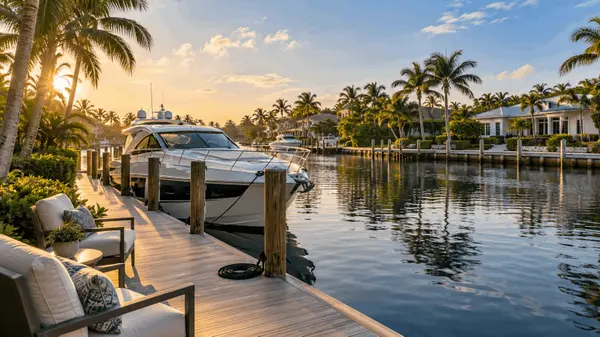
Edgewater Waterfront Living: Plan the Day, Not Just the View
Edgewater Waterfront Living: Plan the Day, Not Just the View
Picture a free afternoon: you close your laptop, gather a few things, and head out for time on the water. It is an appealing reason to consider a waterfront lifestyle. But between that first impulse and actually leaving the dock, there may be several practical steps worth understanding before you buy.
When exploring Edgewater, separate the pleasure of living with a water view from the logistics of boating. They can be part of the same lifestyle, but one does not automatically deliver the other. A thoughtful home search makes room for both the experience you want and the work required to enjoy it.
Decide what waterfront living means to you
Some buyers want the water to be part of their daily surroundings. Others want frequent boating access. Still others enjoy occasional outings but have little interest in owning or maintaining a vessel. These preferences call for different decisions, even when the initial property search looks similar.
Think about your actual calendar. How often could you get out? Would you usually go alone, with family, or with guests? Do you enjoy managing equipment and preparation, or would you rather arrange an experience without taking on ongoing responsibilities?
Your answers should shape the search. If the view is your priority, evaluate it as part of the home. If boating is central, create a separate checklist for the arrangements that would make it practical.
Follow the entire door-to-boat routine
Imagine a complete outing rather than just the moment you step aboard. Start at your front door. Consider carrying supplies, getting to the boarding location, meeting guests, and preparing to leave. Then work through the return: unloading, cleaning, storing equipment, and getting everyone home.
Do not assume that a waterfront residence includes a slip, dock access, or a transferable boating privilege. Any such arrangement needs its own verification, including the relevant documents, availability, eligibility requirements, and terms.
The short-outing test
Suppose you have only a few hours available. Would the preparation and travel still feel worthwhile? If the answer is no, the lifestyle may depend on longer blocks of free time than your schedule normally allows. Convenience is about the entire sequence, not just how close two points appear on a map.
Match boating arrangements to the vessel
If you own a boat, assess its needs independently from the home. Depending on your circumstances, you may need to verify berth dimensions, relevant depth, operating access, contractual conditions, and the availability of services you actually require. Proximity alone does not establish suitability.
Route planning belongs with current nautical charts, official notices, and qualified guidance when appropriate. Weather, operating restrictions, and vessel characteristics should inform any navigation decision. Real estate marketing is not a substitute for that review, and a convenient-looking location does not settle every practical question.
If you do not own a boat, avoid building a home purchase around an imagined future vessel. Explore how you would prefer to spend time on the water before combining a residential commitment with a separate ownership and operating commitment.
Make sure the home works on land
Even an enthusiastic boater spends plenty of time at home. During an Edgewater property tour, look beyond the water-facing moment and consider a regular weekday. Where would you work? How would the layout accommodate guests? Is there enough storage for the way you live?
Evaluate privacy, circulation, light, and the rooms you would use most often. If outdoor space is part of the property, verify its characteristics and applicable rules rather than inferring how it can be used. When practical, visiting at different times can help you understand conditions a single showing might miss.
Also test your usual trips in circumstances that resemble your routine. A waterfront address should support your broader life, including appointments, work, and family commitments. It should not require you to overlook an everyday inconvenience simply because the view is compelling.
Keep housing and boating budgets separate
Build a complete residential budget with applicable association obligations, taxes, insurance, upkeep, and a considered reserve for unexpected expenses. Review building documents with appropriate professionals so you understand the responsibilities and financial commitments attached to the property.
Then create a distinct boating budget. Depending on how you participate, relevant costs might include arranged outings, dockage, insurance, maintenance, fuel, or professional assistance. Obtain estimates for your own circumstances instead of borrowing numbers from someone else's experience.
Protect your ability to change course
Separating the budgets makes tradeoffs visible. You may decide that the residence is right while a particular boating arrangement is not, or that you want flexibility before taking on vessel ownership. Neither conclusion diminishes the waterfront lifestyle. It simply keeps one appealing idea from obscuring the cost of another.
Plan for the times you are away
If this will be a seasonal residence, identify who can inspect the home and respond to a problem in your absence. Confirm procedures, access permissions, and points of contact. A boat, if you have one, needs its own care arrangements rather than an assumption that residential oversight includes it.
For severe weather planning, consult the relevant authorities, building management, and the parties responsible for any boating facility you use. Review insurance obligations and applicable procedures with qualified professionals. The goal is to know who does what before a time-sensitive situation develops.
These details may feel less exciting than selecting a view, but they influence how relaxed ownership will feel. A clear plan allows you to spend less time wondering whether something has been overlooked.
Recent Posts